How do you choose a container?
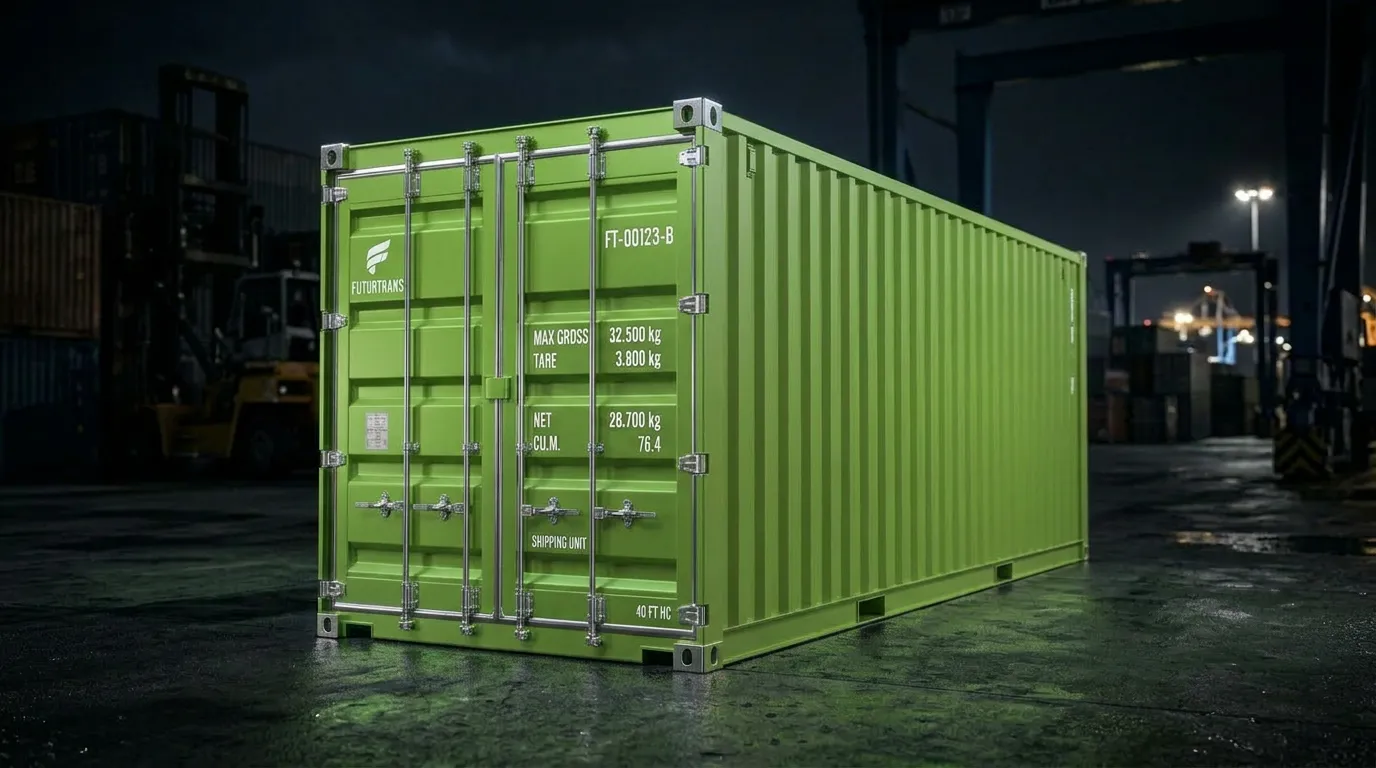
Beyond the price, the most noticeable difference between a new and a used container is its overall condition: dents, rust, paint, and the floor. A new container has straight walls, a clean floor, a uniform roof, and very few visible defects, making it an excellent base for conversion (office, store, customer area, etc.). Even if it has been used for shipping, it may have minor scratches, but these do not affect the structure or watertightness.
A used container, on the other hand, usually shows signs of wear: dents, touch-ups, surface corrosion, and logos from former shipping companies. To make the right choice, it’s recommended that you check at least the roof (for any significant warping), the walls, the seals, the floor, and how the doors close. The grades (e.g., WWT/CW) also provide a quick indication of condition: a CW grade container is in very good condition and is airtight and watertight, even if it isn’t aesthetically perfect.
If appearance is crucial for your project (public visibility, brand image), a new or high-grade used container will often be the best option. For purely functional, out-of-sight use (construction site, backyard, industrial warehouse), a well-inspected used container is generally sufficient and much more economical.